Termite Treatment Services in Knoxville
Request a termite inspection
Termite treatment covers inspections, treatments that stop an active colony and ongoing protection to keep termites from returning. Eastern subterranean termites are the most common type in humid regions. They live in the soil, travel through mud tubes and feed on wood in crawl spaces, sill plates, floor joists and door frames.
Hikingtop Pest Control connects homeowners in the Knoxville area with independent providers who handle termite work. A lot of people think termites mean an emergency fumigation. In practice, most subterranean termite jobs use liquid soil treatment or bait systems, and you usually have time to compare two or three written estimates before you choose.
Found Signs of Termites? Here Is What to Do First
Mud tubes on the foundation or a swarm of winged insects in spring can feel alarming. Stay calm. Termites work slowly, so you have time to make a careful choice.
1. Leave mud tubes and wings in place so a provider can see them. 2. Take photos and note where you found them. 3. Avoid spraying store products, which can push termites elsewhere. 4. Request an inspection.
Why Prompt Attention Still Matters
A lot of people think termite damage happens overnight. In practice, it builds over months and years. That gives you time to compare options, but it also means an active colony keeps feeding every week it goes untreated. Repairs to sill plates and joists cost far more than treatment, so booking an inspection soon makes sense.
Know the Warning Signs
- Pencil-width mud tubes on foundation walls or crawl space piers
- Winged termites or piles of wings near windows and doors in spring
- Wood that sounds hollow or crumbles easily
- Bubbling paint or sagging floors
- Tight-fitting doors or windows that used to open easily
Types of Termites
Eastern subterranean termites
These are the most common in humid regions. They live in the soil and need moisture, so damp crawl spaces suit them well.
Formosan termites
These form very large colonies and can do damage faster. They are less common inland but are worth asking a provider about.
Drywood termites
These live inside dry wood and leave small pellets. They are uncommon in this region but do turn up in furniture or trim.
Comparing Treatment Options
Liquid soil treatment
A termiticide is applied to the soil around the foundation and under slabs to create a treated zone. Termites passing through pick it up.
Bait systems
Bait stations are placed in the ground around the home. Termites feed on the bait and share it with the colony over time.
Wood treatment
Borate products can be applied to exposed wood in crawl spaces and attics to help protect it.
Which is right for you?
Liquid treatment tends to act faster. Bait systems involve less drilling and ongoing monitoring. Many homeowners ask two providers to price both, then compare cost, timing and the renewal plan.
Myth Check: Do You Need Fumigation?
A lot of people think every termite problem means tenting the house. In practice, fumigation is mainly for drywood termites, which are uncommon here. Most subterranean termite jobs use soil treatment or baits, and you usually stay home.
Termite Inspections for Home Sales
Buyers and lenders often ask for a wood-destroying insect report. A provider can explain what that inspection covers and how long it takes. If you have a closing date, mention it when you request help. Ask whether the report covers only termites or other wood-destroying insects too, and how soon you will receive it in writing.
Choosing a Termite Provider
Ask for proof of a state license and insurance, a written estimate that names the method and treated area, and the full terms of any warranty or renewal plan. Ask whether repairs are covered or only re-treatment. Compare those terms across quotes.
A lot of people think a long warranty always means better protection. In practice, the details matter more than the length. Check whether the plan needs yearly renewal, what the renewal costs and what happens if you sell the home. Some plans transfer to a new owner, and that can help at closing.
After Treatment
- Keep mulch and soil a few inches below siding
- Run a dehumidifier or vent the crawl space to reduce moisture
- Fix leaks and keep gutters draining away from the house
- Store firewood off the ground and away from walls
- Keep up with yearly inspections
What's Included
Inspection
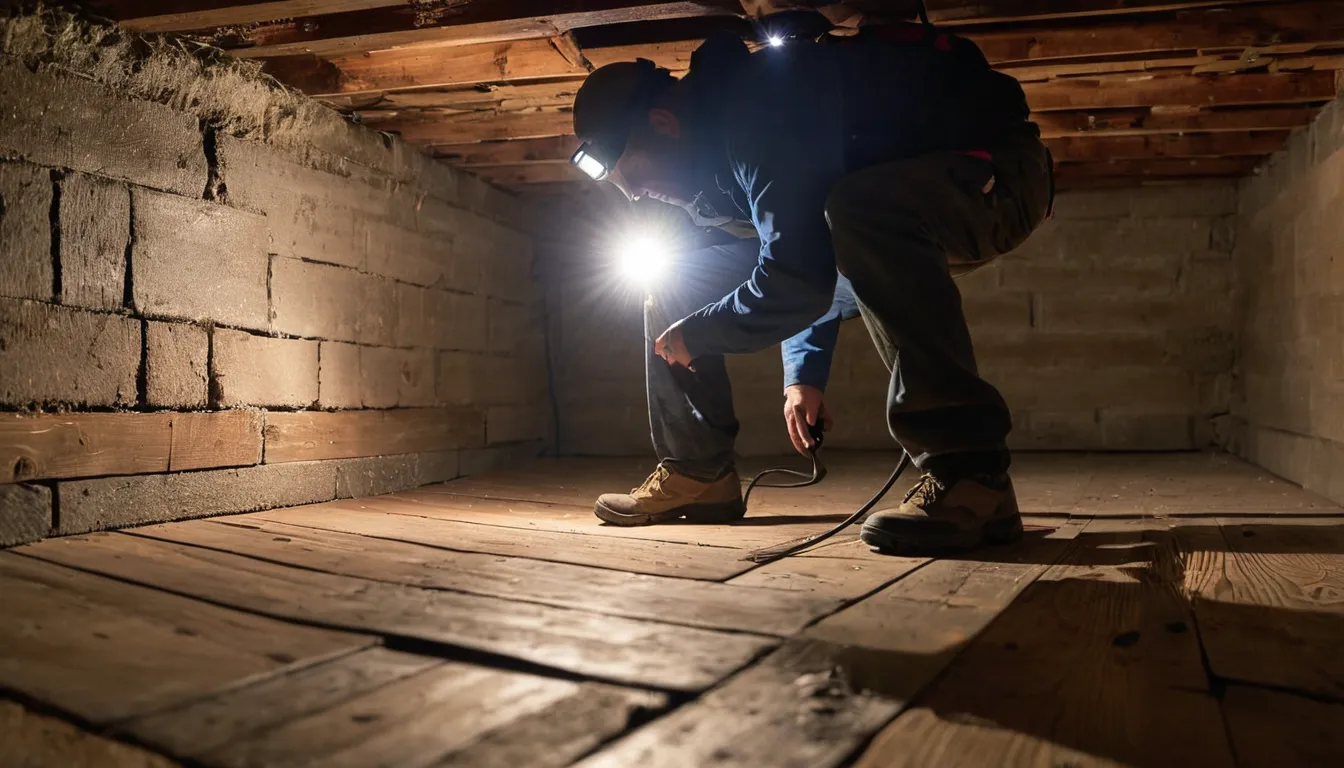
A provider checks crawl spaces, foundations, basements and attics for termites and damage.
Liquid Treatment
A treated zone in the soil around and under the home.
Bait Systems
Stations around the home that reduce the colony over time.
Monitoring Plans
Yearly checks and renewal terms to keep protection going.
Typical Termite Treatment Costs
These are typical U.S. ranges to help you compare quotes. Price depends on the home's size, foundation type and treatment method. Ask for a written quote and read the renewal terms.
| Service | Typical range | Notes |
|---|---|---|
| Termite inspection | $75 to $200 | Often credited toward treatment |
| Liquid soil treatment | $1,200 to $3,500 | Depends on perimeter and foundation |
| Bait station system | $1,000 to $3,000 | Plus yearly monitoring |
| Borate wood treatment | $500 to $1,500 | Crawl spaces and attics |
| Annual renewal or monitoring | $200 to $400 | Varies by plan |
| Wood-destroying insect report | $75 to $150 | Common for home sales |
How It Works
Report the Signs
Tell us about mud tubes, wings or soft wood you found.
Book an Inspection
An independent provider contacts you to schedule a visit.
Compare Options
Review liquid, bait or wood treatment estimates side by side.
Protect Your Home
Choose a plan and keep up with yearly checks.
Why Call Hikingtop Pest Control
Time to Compare
Termites work slowly, so you can get more than one written estimate.
Local Experience
Providers know how termites behave in damp crawl spaces.
Clear Terms
Ask what the renewal plan covers before you sign.
Your Decision
No obligation, no pressure, no rush to sign on the first visit.
Other Services
Need termite treatment services in Knoxville?
Tell us what you are seeing at home. We will connect you with an independent local provider who can inspect and give you a written estimate.
Termite Treatment Services FAQ
- How do I know if I have termites or flying ants?
- Termite swarmers have straight antennae, a thick waist and two pairs of equal-length wings. Flying ants have bent antennae, a pinched waist and uneven wings. If you are unsure, save a few in a bag and show the provider.
- Is a termite bait system better than liquid treatment?
- Neither is right for every home. Liquid treatment often works faster, while baits involve less drilling and ongoing monitoring. Ask two providers to price both, then compare cost, timing and renewal terms.
- Does a termite warranty cover repairs?
- Some plans cover re-treatment only, while others include limited repair coverage. Terms vary a lot between providers. Read the written terms carefully and compare them across estimates before you choose.
Request a callback
Tell us what you are seeing at home. We will connect you with an independent local provider who can inspect and give you a written estimate.
No obligation